


- Mettre en route la vidéo
- Cliquer sur l’icône « CC » (Sous-titre) en bas à droite
- Cliquer sur l’icône « Settings » (Paramètre) en bas à droite
- Cliquer sur «Subtitles » (Sous-titres)
- Cliquer sur « Auto-translate » (Traduire automatiquement)
- Sélectionner la langue de votre choix
Dealing With Change And Grief
Deb Chaboyer, an edu-healing trainer and practitioner, sheds light on the often overlooked emotional challenges immigrants face. Chaboyer's extensive work in mental health highlights the complexities of the immigrant experience, especially the grief and loss that come with leaving one's home country.
"People are often led to believe that making a significant change, like immigrating, should feel all flowery and wonderful," says Chaboyer. "But there is loss involved, and it's normal to feel sadness and frustration despite choosing to move."
Chaboyer emphasizes that these feelings are frequently misunderstood by immigrants and those in the receiving country. "The common attitude is, 'You chose to come, so you should be happy and not complain,'" she explains. "This mindset overlooks the natural grief process that accompanies such a major life transition."
In her practice, Chaboyer has observed various behavioural responses to this grief. Some immigrants cluster into small, tight-knit groups, while others become isolated. "You'll see people forming very small circles, not wanting to let anyone in, or sitting alone without friends," she notes.
"Different behaviours are common when grief is happening. Those who cluster too tightly can end up feeding off each other's negative emotions, while those who isolate themselves feel completely alone."
Chaboyer believes that balance is key when dealing with grief and adaptation. "It's important to establish personal rituals and practices to help move through these feelings," she says. "For example, setting up a small memorial in your home with photographs from your previous home can be very comforting."
She also stresses the importance of open communication and connection. "I always encourage people to talk to others, even if they don't speak the language perfectly. It's okay to ask for the words you need," Chaboyer advises. "These actions build resilience and help you stay stable during crises and significant sadness."
Chaboyer highlights that grief can manifest in various ways, affecting work performance and personal relationships. "We might see someone underperforming at work, having poor relationships with coworkers, or even struggling with substance abuse," she says. "These behaviours are often signs of deeper emotional issues that need addressing."
She also points out the importance of supportive environments in helping immigrants process their grief. "Families, communities, and workplaces that are understanding and caring can be very helpful," Chaboyer states. "It's crucial for employers and schools to recognize the stress and grief immigrants might be experiencing and to provide appropriate support."
Chaboyer calls for increased cultural awareness and support systems for newcomers. "We need to develop more cultural awareness in our education systems and workplaces," she urges. "Simple things like understanding the expectations for disciplining children, social interactions, and using social media can significantly reduce stress for immigrant families."
One of her key recommendations for coping with stress is establishing daily practices that promote relaxation and creativity. "Even just taking 10 minutes a day to sit quietly, listen to music from your home country, or engage in creative activities can build neural pathways that help trigger feelings of relief," Chaboyer suggests.
Deb Chaboyer's insights highlight the importance of acknowledging and addressing the emotional challenges faced by immigrants. Her work underscores the need for supportive communities and practical strategies to help newcomers navigate their new lives while honouring their pasts.
Ajouter un commentaire

U Multicultural is the ethnocultural media channel established with the objective of serving the diverse communities and contributing to the dynamic multicultural identity of Manitoba and Canada by offering accessible multi-ethnic television and radio services that offer information programming and other high-quality programming focused on ethnocultural communities of Canada.
Médias récents
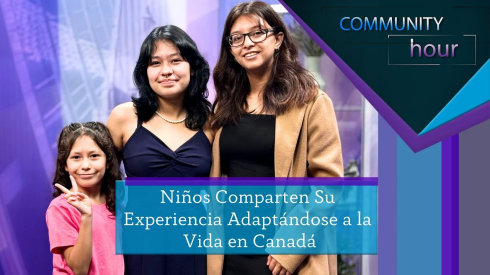
Niños Comparten Su Experiencia Adaptándose a la Vida en Canadá

Speaking Belonging: How Language Diversity Shapes Winnipeg’s Civic Life

Building Belonging: How Community 204 is Shaping Winnipeg’s Future


Commentaires
Nous encourageons les commentaires qui favorisent le dialogue sur les histoires que nous publions. Les commentaires seront modérés et publiés s'ils respectent ces lignes directrices:
Le portail des médias communautaires se réserve le droit de rejeter tout commentaire ne respectant pas ces normes minimales.