


- Mettre en route la vidéo
- Cliquer sur l’icône « CC » (Sous-titre) en bas à droite
- Cliquer sur l’icône « Settings » (Paramètre) en bas à droite
- Cliquer sur «Subtitles » (Sous-titres)
- Cliquer sur « Auto-translate » (Traduire automatiquement)
- Sélectionner la langue de votre choix
COVID 19 Impacts BC's First Nations Communities
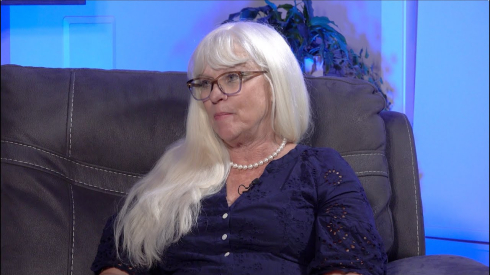
Last November Cheryl Casimer ran for the position of regional chief of the British Columbia Assembly of First Nations. While she was not successful in her bid to replace incumbent Terry Teegee, she did receive 57 out of 139 votes cast. Just prior to the election TCCTV reporter Priscilla Omulo sat down to talk with her about some of the issues that face the aboriginal communities in BC.
Casimer has been a strong advocate for her people at both the provincial and federal levels. She has served on numerous boards and committees, including one term as co-chair of the First Nations Summit (2002-2004); one term as a board member of the British Columbia Assembly of First Nations ; and since 2013, as an elected member of the First Nations Summit Political Executive.
Among her accomplishments, Casimer has worked on Bill 41, the Declaration on the Rights of Indigenous Peoples Act (DRIPA), which passed in the BC Legislature late in 2019; and Bill C-92, an Act respecting First Nations, Inuit and Métis children, youth and families; and loan forgiveness for treaty negotiations.
Casimer feels that COVID 19 has shifted the focus of the British Columbia Assembly of First Nations toward public safety for their communities. While the focus is now on safety, COVID 19 has also brought attention to aboriginal issues of self determination such as the right to control who enters their territories.
Ceremonies and dance play a big part in aboriginal governance and of course have been restricted since the beginning of the pandemic. Add to that the fact that these communities lack the administrative support afforded BC government officials and it's clear that the impact of COVID 19 upon First Nations communities has been immense.
Casimer feels that it is imperative that First Nations communities work together to settle their own overlapping land claims in British Columbia as lands under dispute are prime targets for resource companies to come in to take the resources. COVID 19 has exasperated this issue as may band offices are now shut down and mining companies merely have to send notification of there intent to qualify as having consulted with First Nations peoples.
It is also important to note that First Nations communities are hampered by dual governance systems. There are traditional hereditary chiefs who are determined by lineage and they are responsible for their entire territories and there are the elected chiefs who are part of the system that was imposed upon First Nations communities with the Indian Act back in the day. These chiefs are only responsible for what happens on reserve land but are given greater prominence in negotiating with the provincial government.
Ajouter un commentaire

Tri-Cities Community Television est un organisme à but non lucratif situé à Coquitlam, Port Coquitlam et Port Moody, en Colombie-Britannique. Tri-Cities offre une formation en techniques de production médiatique et permet aux voix de la communauté de se faire entendre.
Médias récents
Face to Face with Councillor Nancy McCurrah: Practical Leadership for a Growing Port Coquitlam

Keeping the Community in Community TV

Coquitlam Mayor, Richard Stewart, Shares His Thoughts on Housing, Infrastructure and Homelessness


Commentaires
Nous encourageons les commentaires qui favorisent le dialogue sur les histoires que nous publions. Les commentaires seront modérés et publiés s'ils respectent ces lignes directrices:
Le portail des médias communautaires se réserve le droit de rejeter tout commentaire ne respectant pas ces normes minimales.