


- Mettre en route la vidéo
- Cliquer sur l’icône « CC » (Sous-titre) en bas à droite
- Cliquer sur l’icône « Settings » (Paramètre) en bas à droite
- Cliquer sur «Subtitles » (Sous-titres)
- Cliquer sur « Auto-translate » (Traduire automatiquement)
- Sélectionner la langue de votre choix
We Have Issues -- Interview with Richard Stewart, Mayor of Coquitlam
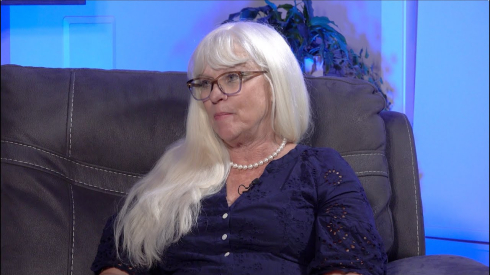
Brad Nickason and Nancy Furness sit down with Coquitlam Mayor, Richard Stewart to discuss issues of the day.
COVID 19 -- The city is finding that it is far more challenging to open up public facilities that were shut down due to COVID 19. Closing them was relatively simple. Opening them back up is a manner that is safe to both those who work there and the public is proving to be another matter.
While, in general, Coquitlam is faring fairly well, there are also concerns that we need to do more for the most vulnerable. Getting through this pandemic is going to be much more challenging for our seniors, folks with special needs, and people with medical vulnerabilities. The city is now focusing it's resources on how we can improve our support in these areas.
As we enter the second wave of this pandemic Coquitlam is in lockstep with Dr. Bonnie Henry. They will be following all of her recommendations. It has been disappointing to see that Coquitlam has its own fair share of science deniers who claim that the pandemic is a hoax and a means by the government to extend their control over the population. Fortunately these naysayers are few and far between and are given very little credence by the rest of the population.
Environment - Coquitlam is currently working on its environmental sustainability plan which will be part if its city wide strategic plan. A key aspect of this plan is the urban containment boundary and keeping a balance between much needed green space and providing infrastructure to support the growing numbers of residents. Coquitlam needs to continue to build upwards in the appropriate areas, by large transit hubs and along the Skytrain route.
Coquitlam has implemented a number of environmentally green projects such as installing heat exchanges that derive power from heat that is exhausted from an ice rink to help heat a pool that is located adjacent to the ice rink. They are also looking at ways to harness the power that created by the heat that radiates from most of our sewage water.
While there is little the city can do to legislate green initiatives (that is the job of the provincial and federal governments), they are able to have a small effect by such things as initiating a no idling bylaw. The City of Coquitlam is also continuing with it's program to increase the number of electric vehicle stations located at city hall and around town. The city is also still in the process of converting its fleet of vehicles over to electric powered vehicles and working with a local business that has developed a module that will allow the city to convert light standards to stations that will be able to power vehicles.
We need to find alternatives for those living in apartment buildings where power is not available for recharging vehicles. Biking as an alternative mode of transportation is being highly encouraged by the City. While the city is not flat like Amsterdam, with today's motor assisted bikes, this is becoming a more viable option for local commuters. The city has been encouraging this by continuing to develop bike lakes and just recently installed one of the longest bike bridges in the lower mainland along the King Albert Green Way.
The discussion ends with a discussion about "defending police". While there seems to be little talk about this movement in the Tri-Cities area, there is great concern that we are not doing enough for our most vulnerable residents and more should be done to help those in need of assistance. Better housing options for the homeless is a priority and Coquitlam is working with all levels of government to improve this situation. With regards to mental health, Mayor Stewart has advocated for the reopening of Riverview Hospital as a facility that can provide greater assistance to those in need. Further programming on this issue to follow.
Ajouter un commentaire

Tri-Cities Community Television est un organisme à but non lucratif situé à Coquitlam, Port Coquitlam et Port Moody, en Colombie-Britannique. Tri-Cities offre une formation en techniques de production médiatique et permet aux voix de la communauté de se faire entendre.
Médias récents
Face to Face with Councillor Nancy McCurrah: Practical Leadership for a Growing Port Coquitlam

Keeping the Community in Community TV

Coquitlam Mayor, Richard Stewart, Shares His Thoughts on Housing, Infrastructure and Homelessness


Commentaires
Nous encourageons les commentaires qui favorisent le dialogue sur les histoires que nous publions. Les commentaires seront modérés et publiés s'ils respectent ces lignes directrices:
Le portail des médias communautaires se réserve le droit de rejeter tout commentaire ne respectant pas ces normes minimales.