

- Start playing the video
- Click CC at bottom right
- Click the gear icon to its right
- Click Subtitles/CC
- Click Auto-translate
- Select language you want
Alzheimer’s Society of New Brunswick Champions Risk Reduction During Awareness Month
January marks Alzheimer’s Awareness Month, and the Alzheimer’s Society of New Brunswick is urging the public to focus on risk reduction as a powerful tool against dementia. In an interview with CHCO-TV's Vicki Hogarth for Southwest Magazine, Ben McLaughlin and Chandra MacBean, leading voices from the society, shared actionable insights on how individuals can take control of their cognitive health.
Vicki Hogarth – Local Journalism Initiative
“Dementia and Alzheimer’s are often seen as inevitable parts of aging,” said McLaughlin, challenging a widespread myth. “But that’s not the case. There are practical steps we can all take to lower the risk.”
At the heart of the conversation was the profound impact of healthy living. “The things you’re already doing for your heart—like eating well and staying active—are also great for your brain,” MacBean explained. She highlighted the critical role of managing diabetes, high blood pressure, and obesity in reducing dementia risk.
Research backs this up, revealing that lifestyle choices often outweigh current medical treatments in their ability to prevent dementia. “The evidence shows that healthy habits are more effective at reducing risk than any medication available today,” MacBean noted, a testament to the power of prevention.
When should people start making these changes? “It’s never too early or too late,” MacBean emphasized. From childhood practices like wearing helmets and seat belts to adopting healthier habits later in life, every stage presents opportunities to protect brain health. Even for those living with dementia, positive lifestyle changes can slow progression and enhance quality of life.
McLaughlin and MacBean also addressed the overlooked connections between physical and mental health. “Heart health is brain health,” MacBean stressed. Untreated conditions such as hearing loss and sleep disorders also significantly increase dementia risk, underscoring the importance of comprehensive health care.
Social interaction emerged as another key factor. “Staying socially connected isn’t just good for your mood—it’s essential for brain health,” McLaughlin said. Social activities stimulate the brain in ways solitary tasks, like puzzles, cannot, fostering new neural connections and resilience.
For those facing a diagnosis, the Alzheimer’s Society offers vital resources, including the First Link program, which provides ongoing guidance and support. “We empower individuals to take an active role in their care and decision-making,” MacBean explained. By involving people in choices about their future, the society ensures care aligns with personal values and priorities.
Early diagnosis is also crucial. Subtle changes in memory or behaviour shouldn’t be ignored, as early intervention can significantly improve outcomes. “The earlier you know, the better equipped you are to navigate the journey,” McLaughlin said.
Beyond raising awareness, the Alzheimer’s Society delivers a range of support services, from counselling to memory cafés, creating a network of understanding and care for families and individuals living with dementia.
As Alzheimer’s Awareness Month continues, the message from McLaughlin and MacBean is clear: proactive, healthy living and early action are powerful tools in reducing dementia prevalence and improving quality of life.
Add new comment

Charlotte County television is New Brunswick's only source for independent community television. Since 1993, CHCO-TV has been providing Southwest New Brunswick with locally-produced content made by community it serves.
The mission of CHCO-TV is to promote community media and to encourage, educate and engage residents in Southwestern New Brunswick, to use new media and technology, to improve civic involvement, learn new media skills and enhance the culture, the economy, health and quality of life in New Brunswick.
Recent Media

From Illness to Action: A Family’s Story Sparks a Community Movement
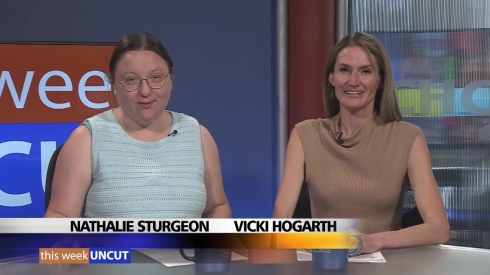
This Week Uncut on CHCO-TV: September 15-21, 2025
St. Andrews Council Votes Against Going Ahead With Wharf Refurbishment
We encourage comments which further the dialogue about the stories we post. Comments will be moderated and posted if they follow these guidelines:
The Community Media Portal reserves the right to reject any comments which do not adhere to these minimum standards.