


- Mettre en route la vidéo
- Cliquer sur l’icône « CC » (Sous-titre) en bas à droite
- Cliquer sur l’icône « Settings » (Paramètre) en bas à droite
- Cliquer sur «Subtitles » (Sous-titres)
- Cliquer sur « Auto-translate » (Traduire automatiquement)
- Sélectionner la langue de votre choix
Changes to New Brunswick's Social Development Programs Coming October 1
At a press conference in Fredericton on Monday, September 27, 2021, Minister of Social Development Bruce Fitch announced that recent changes to Social Development programs will allow for social assistance recipients to be eligible to receive more income beginning Oct. 1.
“Our government committed to bring changes to our social assistance programs to leave more money in the hands of low-income New Brunswickers,” said Fitch. “These changes represent an annual investment of $10.8 million which will help reduce poverty and remove barriers for clients who are struggling to get back into the workplace.”
Starting next month, social assistance recipients will no longer have their benefits reduced if they are also receiving child support payments, the Canada-New Brunswick Housing Benefit or compensatory money related to personal injury. The wage exemption will also be increased, allowing for people to keep a portion of their income assistance benefits while being employed. Social assistance recipients will be able to keep up to $500 of income earned each month, plus 50% of additional dollar earned over $500.
“Our clients and stakeholders have told us that increases to the wage exemption will encourage individuals to earn more income to provide for their needs,” said Fitch. “We have listened to these concerns and have taken action to improve our programs.”
Minister Fitch also announced that the department will no longer reduce social assistance benefits for clients living with parents or spending less than 25% of their monthly assistance payment on housing. Until now, a shelter deduction had been applied and benefits were reduced.
“We want to help New Brunswickers thrive, reduce poverty, prepare people for employment where possible, and provide timely support to people with episodic challenges,” said Fitch. “These changes will enable us to serve New Brunswickers more efficiently.”
As of September, 26,949 individuals were receiving social assistance in the province: 20,438 under the Transitional Assistance Program and 6,511 under the Extended Benefits Program. New Brunswick social assistance programs provide financial support to people who have no other financial resources to meet their basic needs. The programs include the Transitional Assistance Program, which is intended to provide short-term financial assistance while supporting clients along the continuum of employability, and the Extended Benefits Program which provides support to clients who have been assessed as blind, deaf or disabled by the medical advisory board.
Ajouter un commentaire

La télévision du comté de Charlotte est la seule source de télévision communautaire indépendante du Nouveau-Brunswick. Depuis 1993, CHCO-TV fournit au sud-ouest du Nouveau-Brunswick du contenu produit localement par la communauté qu'elle dessert.
La mission de CHCO-TV est de promouvoir les médias communautaires et d'encourager, d'éduquer et d'engager les résidents du sud-ouest du Nouveau-Brunswick, d'utiliser les nouveaux médias et la technologie, d'améliorer la participation civique, d'acquérir de nouvelles compétences médiatiques et d'améliorer la culture, l'économie, la santé et qualité de vie au Nouveau-Brunswick.
Médias récents
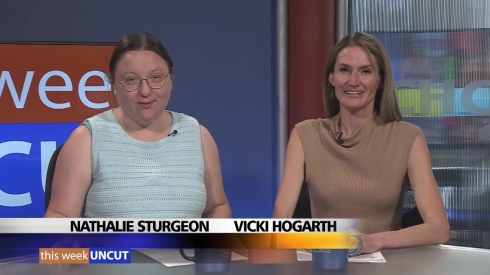
This Week Uncut on CHCO-TV: September 15-21, 2025

From Illness to Action: A Family’s Story Sparks a Community Movement

Carol Baker’s 45-Year Mission with the Terry Fox Run


Commentaires
Nous encourageons les commentaires qui favorisent le dialogue sur les histoires que nous publions. Les commentaires seront modérés et publiés s'ils respectent ces lignes directrices:
Le portail des médias communautaires se réserve le droit de rejeter tout commentaire ne respectant pas ces normes minimales.